Add subtitles to your video do more than just making it accessible.
Subtitles help people follow in noisy environments, they increase viewers’ retention, and they make your content more easily found through search engines. The good news is that you don’t need advanced editing skills or expensive software to add it. There are tools and methods that can be used by anyone in just a few steps.
Here are the five easiest ways to add subtitles to the video.
5 Ways To Add Subtitles to Videos
The way you add subtitles depends on what is more important to you: speed, accuracy, or control. These five methods include each option.
Method 1: Add Subtitles with Podcastle
If you want the fastest way to get professional subtitles, podcastle makes it simple. The process takes a few minutes, and you end up with a clean subtitle that matches your video style. This is the easiest method if you want speed without providing quality.
1. Upload your video.
Start by dragging and dropping your video on podcastle. This platform works right in your browser, so there is no software to install or the long setting time.
2. Produce your subtitles
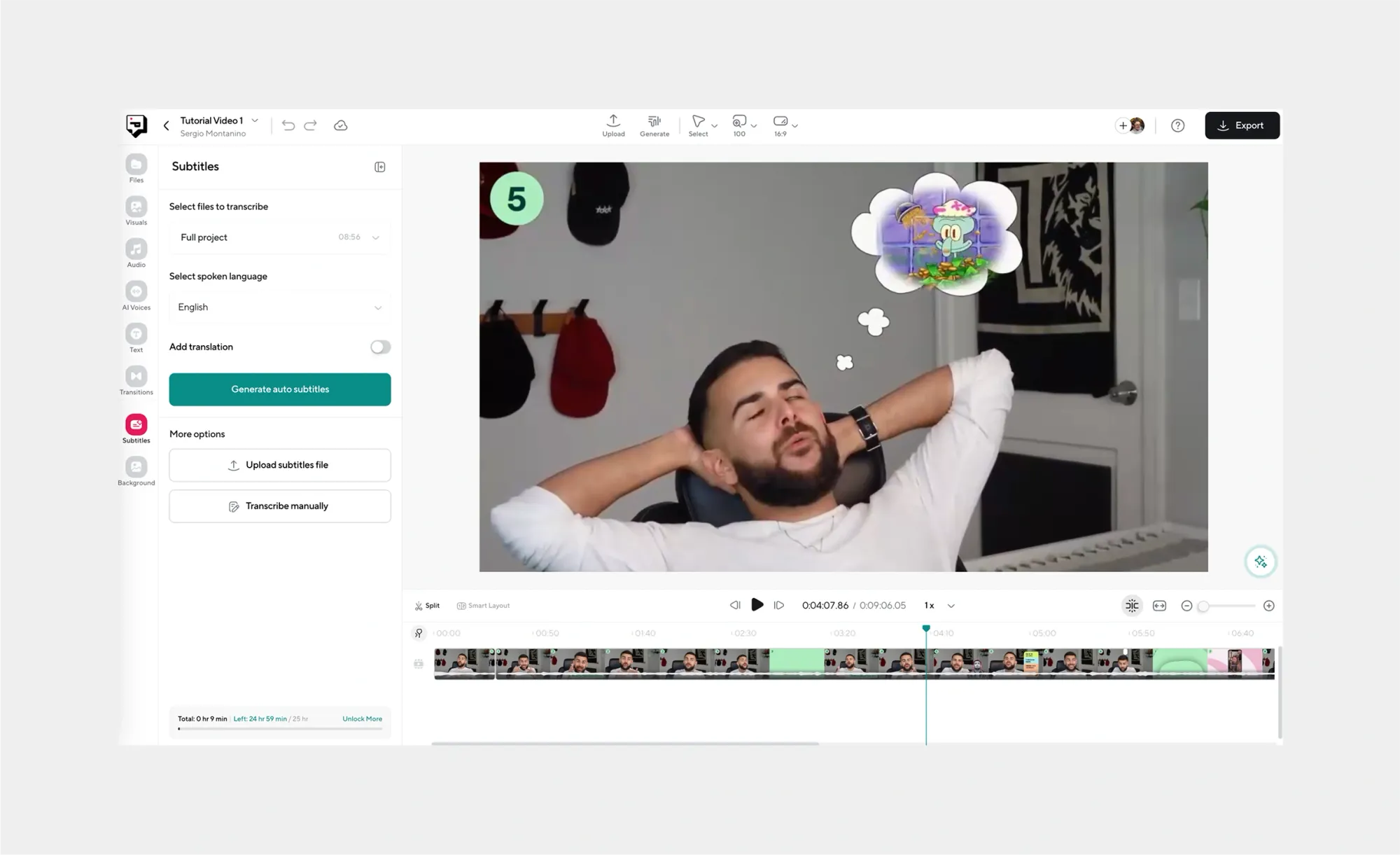
Podcastle automatically copying your audio and turning it into a subtitle. This saves you from typing everything with your hands, which can be one of the most time -consuming parts of the process.
3. Select your subtitle font
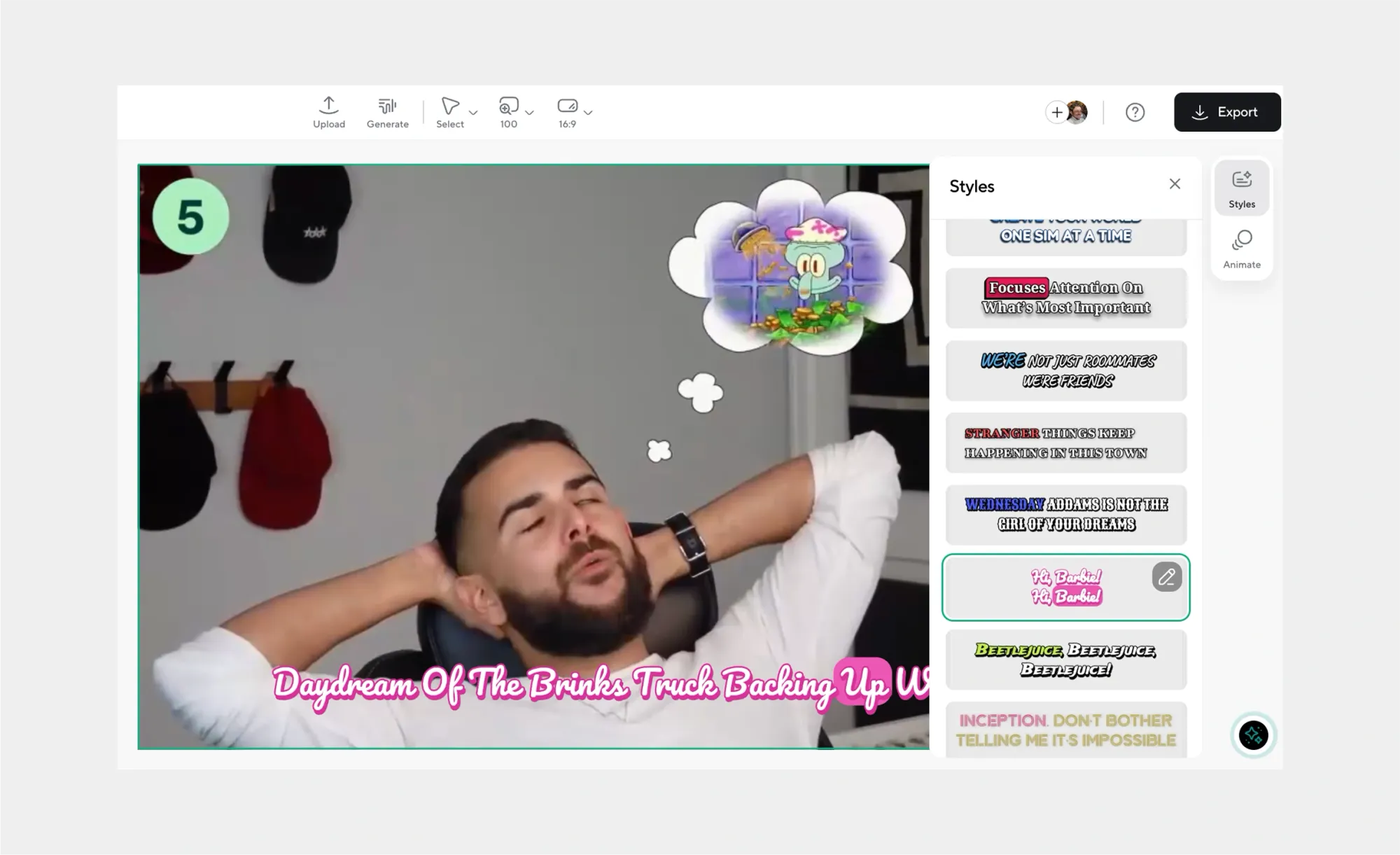
Select fonts and styles that match your content. Clear and easy to read text functions best, especially if your video will be watched on a smaller screen.
4. Make the final adjustment
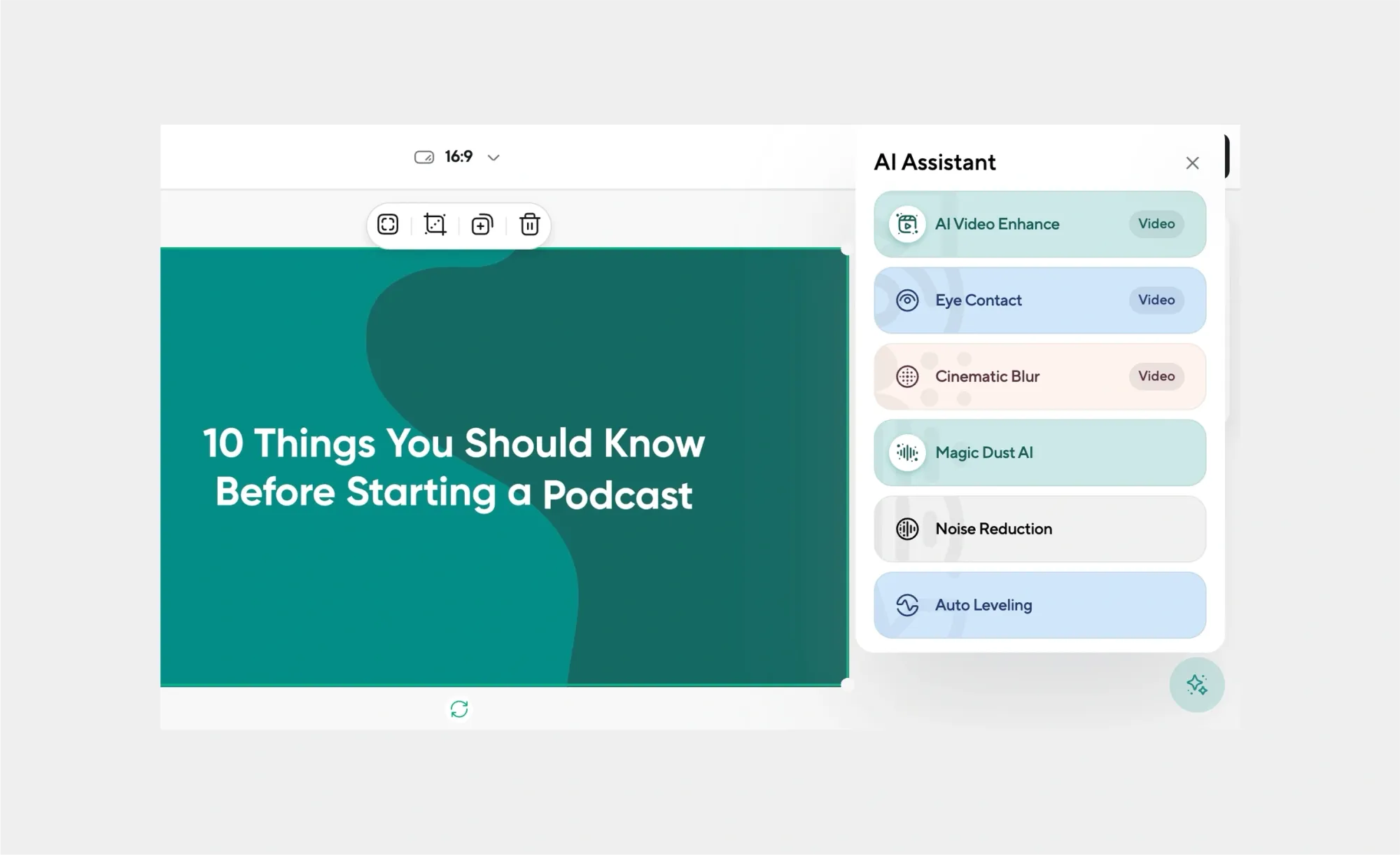
Podcastle is packed with several AI features to instantly increase your video, delete background, improve audio quality, and more. You can also choose from a large-scale Royalty-free music library and sound effects, stock videos, images and GIFs, and transitions to make your videos appear.
5. Export your video with subtitles that are ready to use.
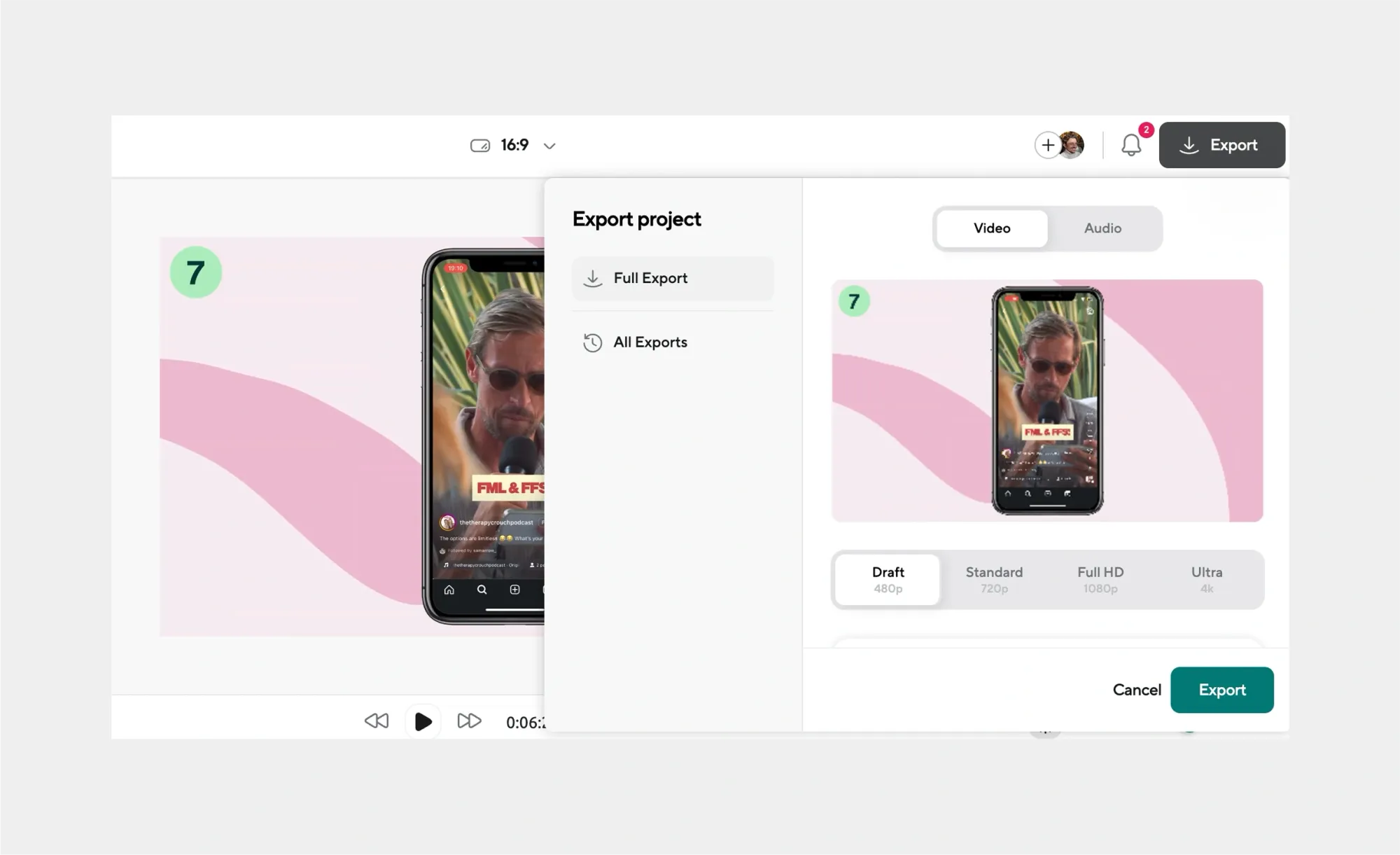
After everything looks good, export your video. You will have a finished file with a synchronized subtitle, ready to be uploaded to YouTube, social media, or anywhere.
Method 2: Use YouTube’s default subtitles
If you upload your video to YouTube, you already have a free subtitle option.
- Upload your video to YouTube.
- Go to YouTube Studio and click on the Subtitle tab.
- Leave YouTube information automatically.
- Edit text to correct errors.
This tool is very good for the creator who publishes directly to YouTube. It won’t always be perfect, but editing on the YouTube studio is fast and does not require additional software.
Method 3: Try Kapwing
Kapwing is an online video editor that is equipped with automatic capture features.
- Upload your video to Kapwing.
- Select automatic capsi to produce subtitles.
- Adjust the style with various fonts, sizes, and colors.
- Export your video with subtitles burned.
Capwing is fully based on a browser, which makes it easy to use on almost all devices. This is very useful for short shape content such as tiktoks, Instagram rolls, or YouTube shorts.
Method 4: Use veil.io
Veil.io is another online editor that makes subtitles fast and easy.
- Upload your video.
- Use automatic subtitle features.
- Edit spelling problems or any time.
- Customization of how the text is visible and then export.
The veil has a clean interface that feels beginner friendly. This is popular among creators who need a simple way to polish video without entering complicated software.
Method 5: Edit manually with VLC Media Player
If you prefer to have full control and don’t mind a little additional job, VLC allows you to handle subtitles manually.
- Open your video on VLC.
- Create or download subtitle files (.SRT).
- Add and synchronize the subtitles with your video.
- Save or play videos with subtitles to be turned on
This method requires more effort than others, but fully free and flexible. You can perfect every subtitle detail if you have time.
Tips for better subtitles
The tool makes the process easier, but a good subtitle still requires a little maintenance. Here are some tips to help you fix it.
1. Choose the best fonts for subtitles
Subtitles must be clear, not decorative. Sans-serif fonts such as Arial, Helvetica, or Open Sans are usually the safest bets. Keep the size large enough to read on the telephone screen and stay with a high contrasting color such as white or yellow with a shadow or dark line.
2. Check the typical mistakes with care.
Automatic collection tools save time, but they lose words more often than you think. The nouns, slang, and the right accent can make them stumble. Always scan the text before being exported. A good trick is to play videos at slower speeds and read together with subtitles to capture errors.
3. Know the difference between subtitles and information
Subtitles consider viewers to hear audio but may not understand the language. Information is designed for viewers who cannot hear audio at all, so they include additional details such as [music playing] or [laughter]. If you publish on a platform where accessibility is important, information is a better choice.
4. Remember the time
A blinking subtitles are too fast or lingering. Aiming for one to two rows on the screen at once, synchronized tightly with dialogue. Most editors handle this automatically, but it’s worth re -checking the flow.
5. Don’t overdo the screen
Viewers need time to watch what happens, not just reading text. Break long sentences into shorter pieces and avoid stuffing too much into one frame.
6. Think about your audience
If you reach international viewers, consider translating your subtitles into various languages. Many tools now offer innate translations, and that can make a big difference in expanding your reach.
What is the SRT file?
If you spend time looking for subtitles, you might find the term “SRT file.” This is one of the most common ways to store subtitles, and most platforms and editors support it.
What is SRT standing for?
SRT stands for Subtitle subtitle file. The name comes from Subrip, a program that was originally created for the subtitles “RIP” from films and TV shows. At present, SRT has become a standard subtitle format because it is lightweight, easy to edit, and extensively compatible.
How to create a srt file
You don’t need special software to create SRT files. Each ordinary text editor will do it. This is the simplest way to make one:
- Open a text editor like Notepad or Textedit.
- Write the subtitle number (starting with 1).
- Add the start and end time in this format: 00: 00: 01,000 -> 00: 00: 04,000.
- Write the subtitle text below.
- Leave the empty line before moving to the next subtitle.
- Save files with .srt extension.
Just that. After you upload the SRT file next to your video, the platform or player will know when to display each text line.
Is SRT one -only subtitle format?
No, SRT is not the only one, but that is the most popular. Other formats such as VTT (Webvtt), SSA, and Sub exist, and some have additional features such as force or position determination. Which said, SRT remains a destination because it is simple and works almost everywhere, from Youtube to VLC to video editors such as podcastle.
Create subtitles with podcastle
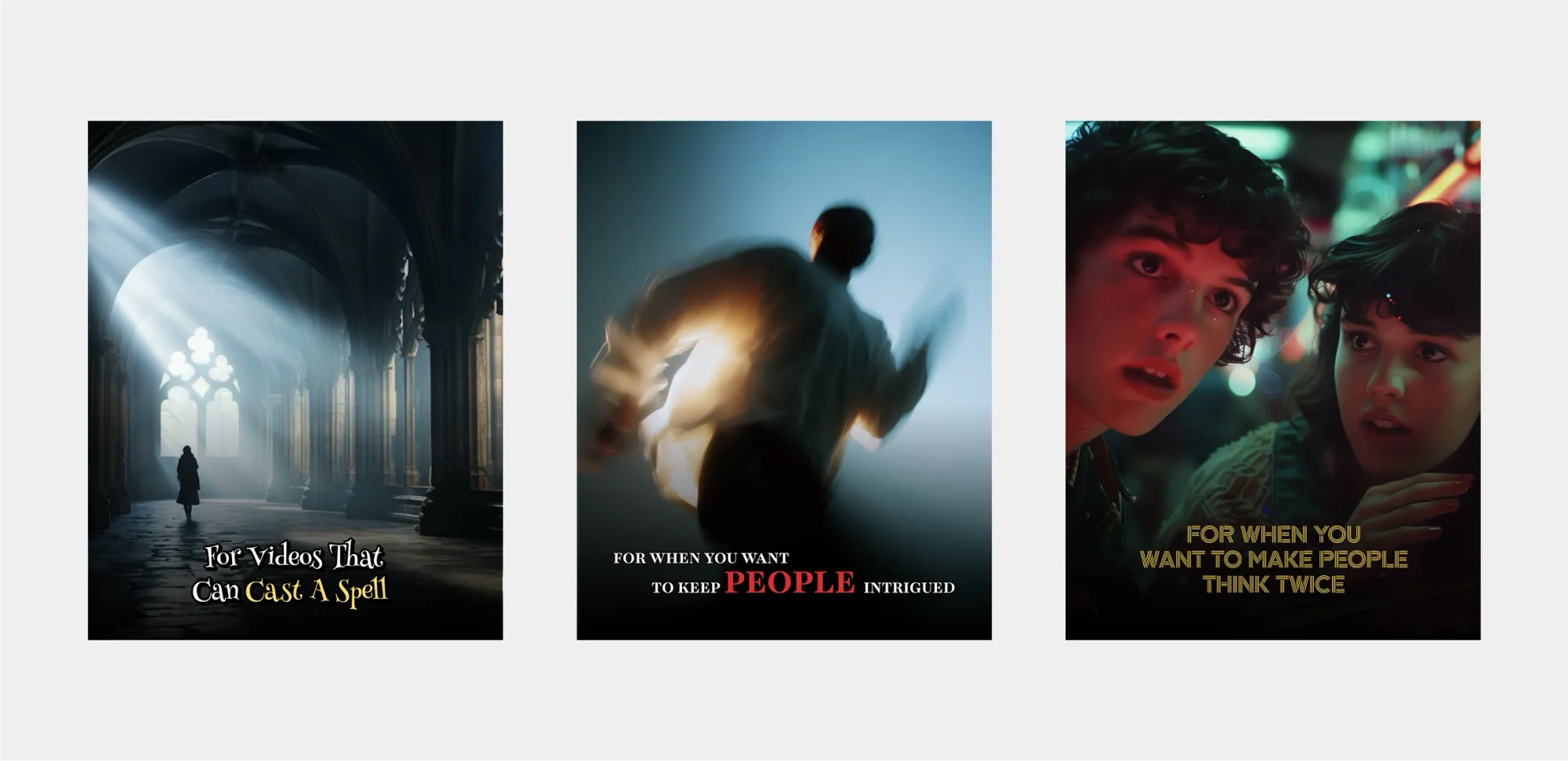
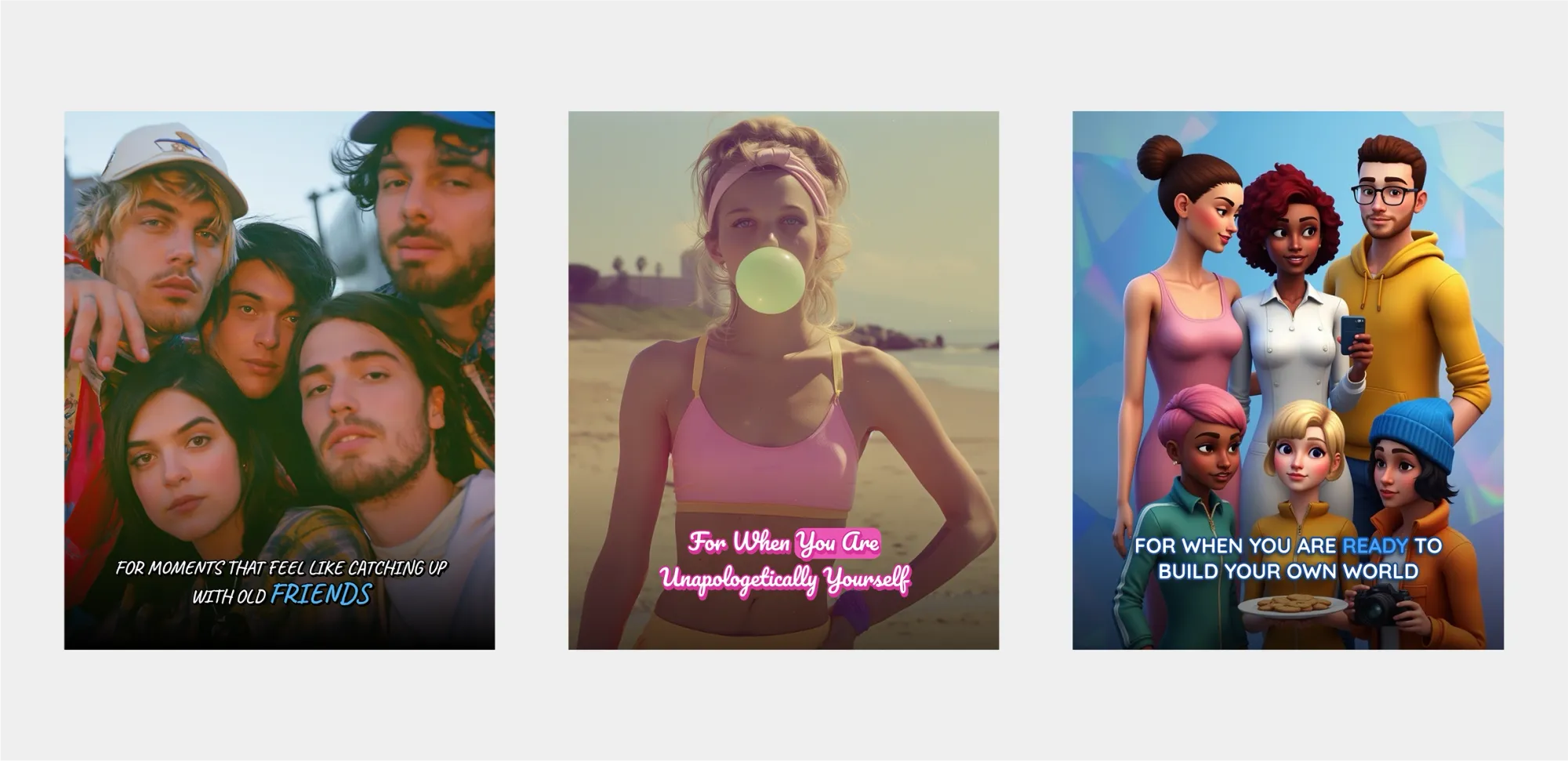
Adding subtitles does not have to be complicated. From automatic tools such as podcastle, capwing, and veils, to default features on YouTube, or even direct methods with VLC, you have an option. The best choice is how much control you want and how fast you need results.
If you are looking for the easiest way, podcastle stands out because of its speed and simplicity. Only in a few clicks, you will have an accurate subtitles that are arranged as you want, ready to share with your audience. But subtitles are just one part of what Podcastle offers. This is a complete content creation platform designed to bring you from recording to publishing without ever leaving the application.
This is what makes our AI video editor different:
- Subtitles and information – Add in seconds with adjustable fonts and forces.
- AI -powered editing -Incal your audio and video automatically with a one -click tool.
- AI’s voice – Choose from 1000+ realistic sounds or clones for your narrative.
- Stock assets – Access music library, sound effects, visuals, and transitions to improve your content.
- All-in-One workspace – Record, edit, and export without jumping between applications.
Instead of uniting some tools, podcastle gives you everything in one place. That means less time on the technical side and more time makes content connected to your audience.
News
Berita
News Flash
Blog
Technology
Sports
Sport
Football
Tips
Finance
Berita Terkini
Berita Terbaru
Berita Kekinian
News
Berita Terkini
Olahraga
Pasang Internet Myrepublic
Jasa Import China
Jasa Import Door to Door
A gaming hub can refer to a central platform or space dedicated to gaming, where players can access games, interact with other gamers, and enjoy related content.
Comments are closed, but trackbacks and pingbacks are open.