A copy of the review provided by Raskal Games
Introduction
EXTASE is an indie game in the Puzzle Block genre, developed by Raskal Games, with the Vibration of Techno culture through the use of animation and music. The game contains classic materials, vertical tracks, pieces falling … although the mechanics are different because here is not about making horizontal lines but forming blocks with the same color. This is an entertaining game, but what makes it more interesting to analyze is the accessibility option.
This review is carried out on a PC using a keyboard and mouse to play, although it also supports the use of controller.
Arrangement
The main menu of Dinavigation horizontally, where we can use the A and S button to rolle the left and right or click with the mouse on the option that makes it into the middle. The option menu is divided into three parts: options, accessibility, and control.
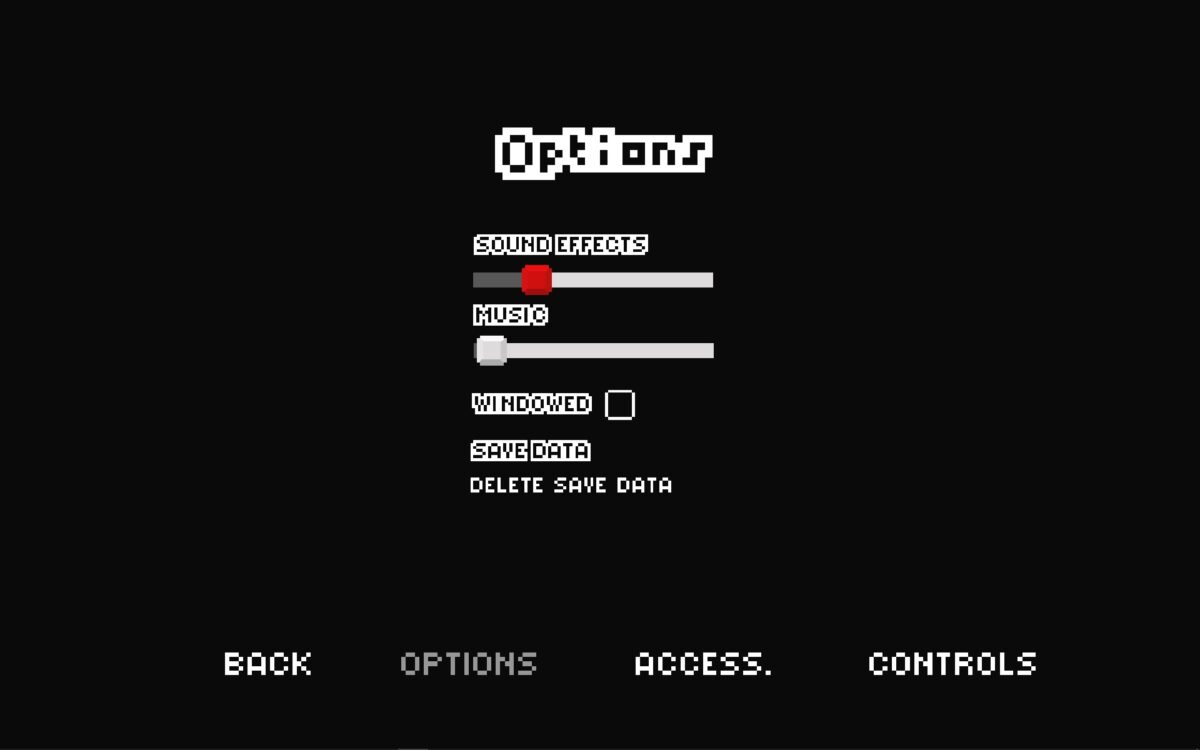
The first screen we access is called fair Option And it will be what we usually call the general. Here, we have two sliders to independently adjust the volume of music and sound effects. Techno Music is the basic part of the game design and is present all the time but can interfere or distract some people, so lowering the volume to zero is good to have. We have other options to place the game in windowed mode because by default it starts on the full screen. Window options are interesting for those who want to play using the keyboard on the screen for example. The last option to delete the recorded data to be careful with it.

In Accessibility Menu, we can change the color of the game piece in a different way. On the one hand, we have three color schemes that have been previously designed for people with one of the three main types of blindness (Pronanopia Deuteranopia and Tritanopia).

We can also mark the options set for a fixed color and choose each of the 3 colors we want to use in the game through a small color palette that includes several colors with the most common colors. I find this option to be thought very well because sometimes the schemes that have been previously designed in some games may not work well for everyone, and customization is always accepted for contrast, comfort or simple preferences.

We also have an option called brightness animation which, through sliders, allows you to adjust the brightness and visibility of the animation that is seen in the background in the menu and during the game. Although this animation is part of the aesthetics of the game, they can interfere or disturb for some people, even making the game cannot be played for several reasons such as cognitive strengths or lack of contrast. This option can solve many of these problems. Finally, we have an option to deactivate the shake screen, which is highly valued by those of us who suffer from motion disease.
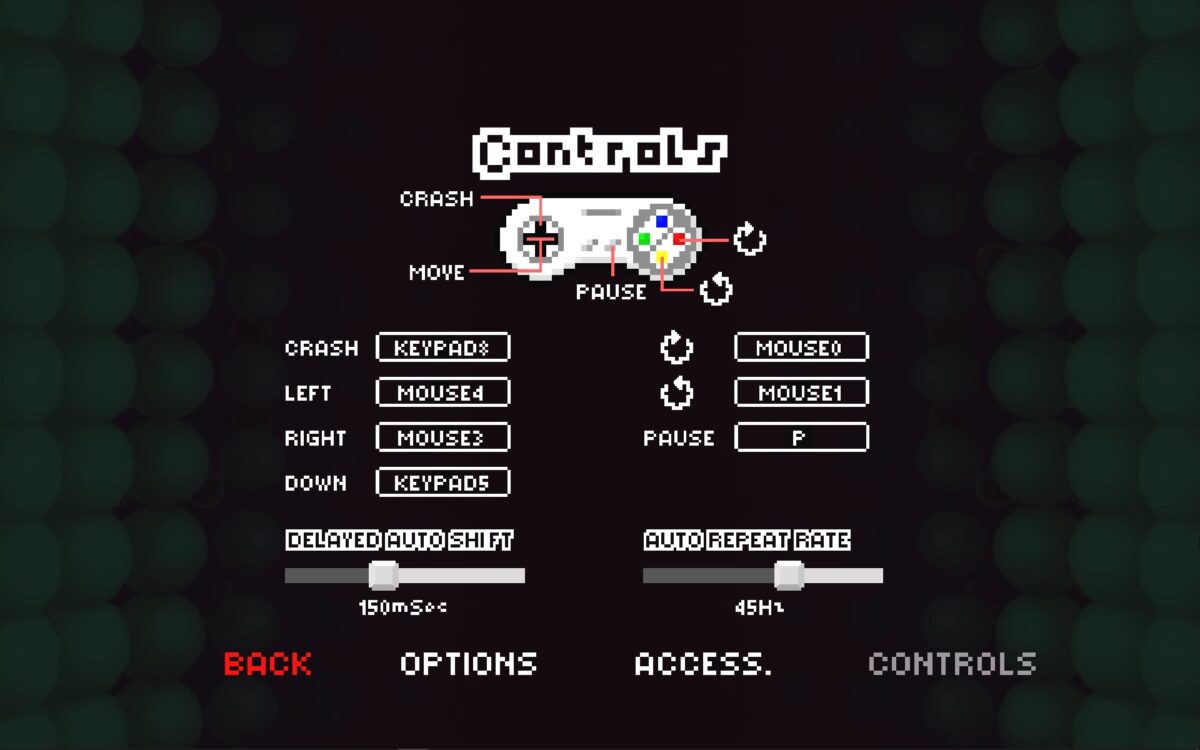
Finally, Control The section allows us to see and reconfigure the buttons or buttons that we will use to play. At present, the game only uses seven inputs. We can rotate the pieces to the left and right, moving it laterally in the same direction, lowering the pieces of row by row or just dropping it suddenly to the bottom of the screen. The last input is used to access the gap menu which is usually a lot of games assigned to the escape key and here you can change it to whatever you want. The mapping process is very simple and also functions perfectly with the mouse button so if you have a mouse with enough buttons, you can play using this exclusively. In this way I tried the game and I had to say that it was very comfortable for me. As a recommendation, I will say that it would be better if the mouse wheel rises and the mouse wheel under the action can also be used. There are two sliders on this screen. The automatic switch is delayed to control how long the button needs to be held so that the cut moves in one direction, thereby reducing this value can produce a larger movement with shorter pressure. Be careful not to place it too low because it can cause unwanted movements. Values range from 50 to 300 milliseconds. The automatic repetition rate controls how quickly the movement moves or rotates after the input has been completed.
Gameplay
As I mentioned before, the purpose of the game is simple, forming a block 4 or more colors with the same color so that it disappears, get a point for this, and avoid that they pile up until they reach the top of the screen. The block will not disappear instantly but will do it when the horizontal line that goes down on the screen reaches the bottom. In the upper left corner, we are shown the next section will fall so that we can plan our game with that information. There are also a few blocks with symbols that activate unique effects such as cleaning pieces in a straight line or destroying all parts that are connected to it with the same color.
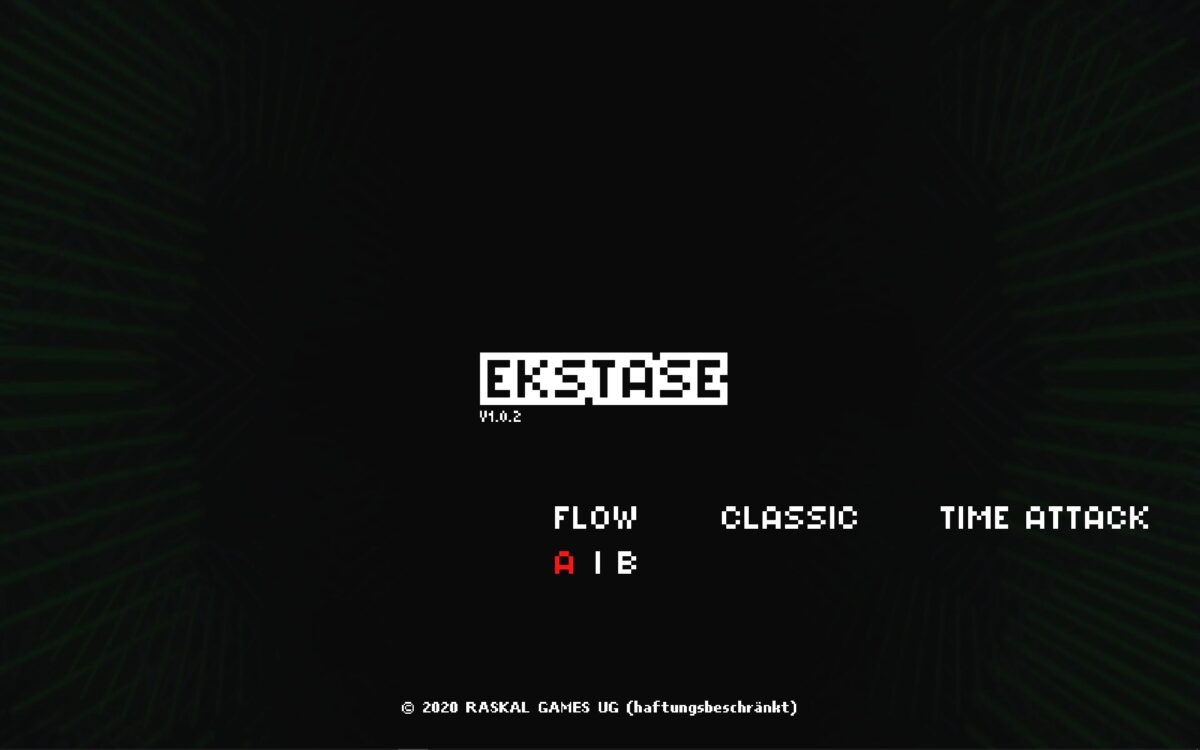
There are three types of first games with two modes each. Although this type is different in terms of destination, constant mode. In mode A, not a piece but the position of various colors in it rotates. In mode B, the complete section itself rotates, like in most classic games. To unlock mode B you must reach a certain score in advance in mode.
Three types of games are trials of flow, classic and time.

In the FlowWe start with zero speed and when we increase our level of points, the speed will increase and the like, the level of difficulty. If we make mistakes or not get points in a few moments, the game itself will slow down. This game mode has no end unless we complete the game by accessing the break menu or losing because the block piled up to the top of the screen.
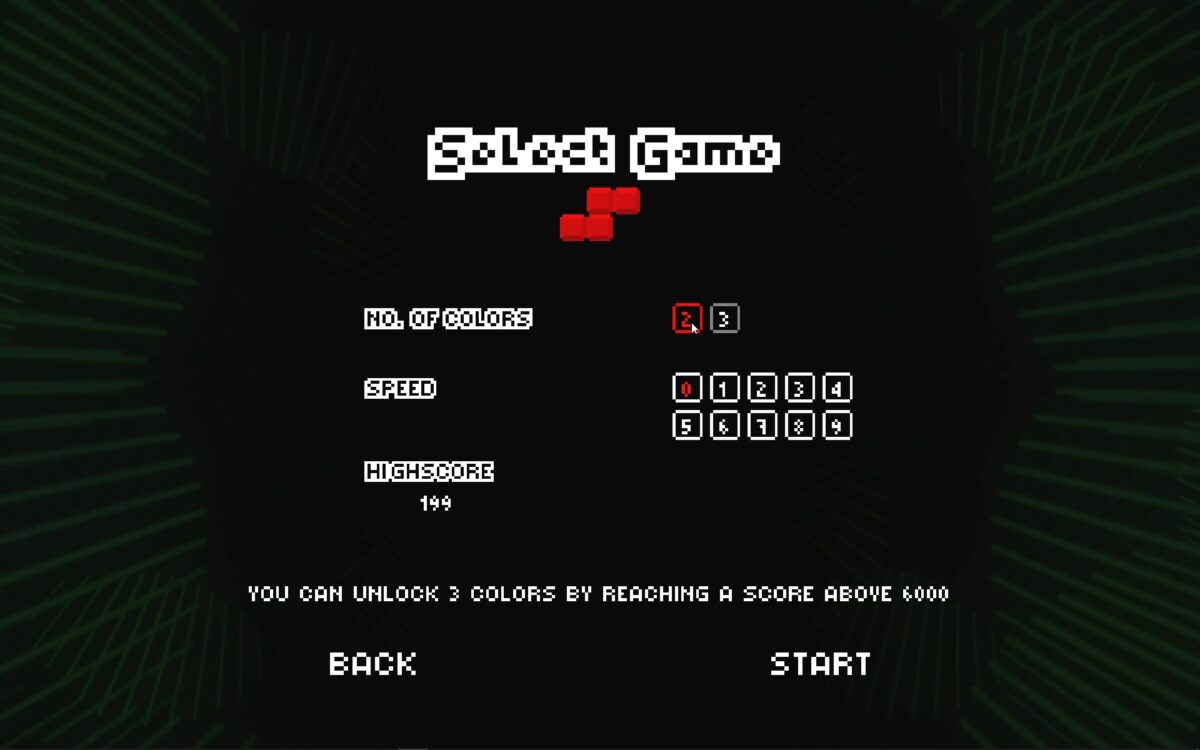
In the ClassicThe mechanics are similar but with some changes. The first is that we can choose a different number of colors that can be owned by pieces, between 2 and 3. To unlock the three -color mode, you must reach a score of 6000 points. We can also choose the speed at which the game starts between 0 and 9, although this will increase when we reach a certain score and will not be reduced again. It will be interesting to have an option so that the speed does not increase and to be able to use this mode to play without being in a hurry and with our own speed, which will make it more easily accessible.

Finally, Di Time test We must try to get the most points within the specified time limit. We can choose the time limit of several presets and during the remaining time the time will be displayed above.
Last thought
As a game, ecstasy is entertaining and colorful, a good block of clamp games with a clear goal to entertain without great ambitions. I was very surprised by various aspects in which gameplay can be adjusted, becoming a re -mapping of control and time settings and emphasis of buttons. The fact that you can play only using the mouse button rarely happens lately. I will recommend that the default A&S menu button be replaced by the selected by the player after repracting, making it possible for more easily accessible experiences for more users. Other options such as removing camera shakes or modifying background brightness, as mentioned earlier, of course, improve cognitive and visual aspects. This game can be stressed at high speed, so by remembering that, a little additional for classic mode can be a potential that has a good potential. The visuals may be a worse point is that the text can be difficult to read because of the retro pixel force.
Sometimes independent developers give us surprises in the field of accessibility. Asking the creator of the game about how he became interested in accessibility, his responses were as follows:
“I entered game development with a web development background. As a web developer, I use a scrum framework where feedback from important users in deciding what features to be built or changed. In the same way, I approach the development of ecstasy; feedback from the public helps me identify priorities and improve the game.”
This mentality is reflected in the customization option owned by the game when launched and the update that has been received since I began to analyze it, and many of them came directly from feedback provided in forums and social networks. This is a refreshing attitude and what I hope will spread throughout the industry.

Antonio I. Martinez has spinal muscle atrophy type 3 and has become a gamer for most of his life. The formation of its background in computer and English programming compiles its basic expertise. Previously the mobility editor for can i play that, established this new project to tell other gamers and offer feedback that can be followed up. As a consultant, his work includes publishers such as Xbox, Ubisoft and Rebellion. Outside of self -advocacy, he conducts webinars, talks and participates in many interviews in various media channels to educate the importance of accessibility in the game. Judge for the Game Awards and Agdas. You can contact him on Twitter/X at @Black1976
Game Online
Motivation
News
Cek Ongkir Cargo
Jasa Import China
Gaming Hub
A gaming hub can refer to a central platform or space dedicated to gaming, where players can access games, interact with other gamers, and enjoy related content.
Comments are closed, but trackbacks and pingbacks are open.